Rochester Hills voters split on how Senate debate between Rogers and El-Sayed shaped their choice
Less than a day after Wednesday's Senate debate in Detroit, two Rochester Hills friends with opposing politics described how it landed with them, while a political scientist said campaigns are now focused on turnout.
By Natalia Campos ·
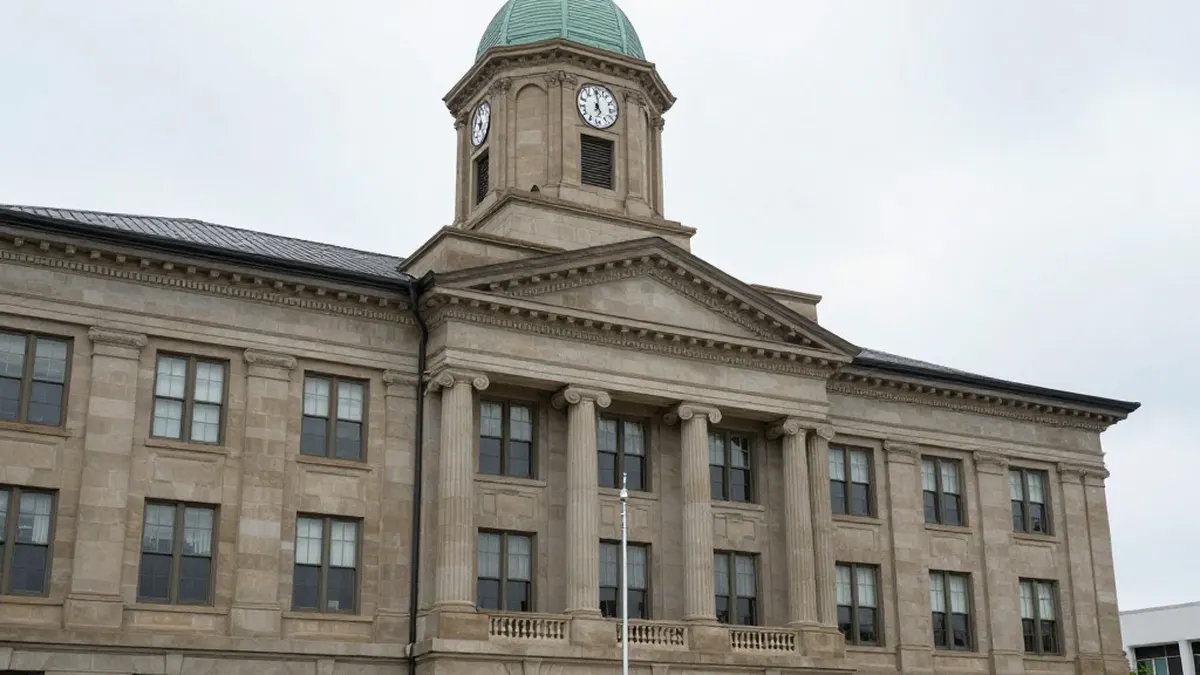
Voters in the Rochester area are weighing in on the Senate debate between Mike Rogers and Abdul El-Sayed, which 7 News Detroit hosted at Broadcast House on Wednesday. The reactions came less than 24 hours after the face-off.
Rochester is among Michigan's most evenly divided cities, mirroring the swing-state character of Michigan as a whole. In 2024, Rogers narrowly outpolled Elissa Slotkin there, and President Donald Trump narrowly outpolled Kamala Harris. Republicans and Democrats have run neck and neck in recent elections, and neighboring Rochester Hills also has a diverse electorate.
Two Rochester Hills residents, Denise Bonner and Judy Hickman, are friends with sharply different political views, and they reflect the city's divide. Bonner, a Republican, said she was already planning to vote for Rogers before the debate. She said her choice is driven by uncertainty about El-Sayed.
"I'm feeling very fearful to be frank with you," Bonner said. She described the source of that fear as "the unknown," citing "so many controversial things out there."
During the debate, Rogers questioned El-Sayed's loyalties. He asked whether "being bought off by the Muslim brotherhood, having donors to his campaign from Hamas that support Hezbollah, is not a problem?" El-Sayed has denied those claims.
The attack did not move Hickman, a Democrat. "I like his ideas," Hickman said of El-Sayed, calling them "refreshing" and arguing that Washington will not change "unless we put people in there who are different."
El-Sayed, for his part, used the debate to try to set himself apart from Rogers, repeatedly linking the other candidate to Trump. "Donald Trump is on the ballot through Mike Rogers, they are hip to hip on this war and you are paying the cost," he said.
John Clark, a political science professor at Western Michigan University, said that at this point in the race campaigns are less focused on persuading voters than on energizing their own supporters. He said voters make two separate decisions: whom to support and whether to vote at all.
Clark expects the contest to be tight to the end as both sides work to mobilize their bases. "It may be the case that most folks have figured out that they like one candidate more or the other candidate more," he said, "but until they actually cast that ballot they're just someone with a preference rather than an actual voter."
Despite their opposing views, Bonner said the friendship with Hickman shows that civil disagreement remains possible. "I can respect her views, she can respect my views, and that's really a true friendship," Bonner said.
Early voting is already well underway. According to the Michigan Secretary of State, more than 780,000 Michiganders have cast absentee ballots, roughly 10.7% of registered voters.
Originally published by News Media House · Source: WXYZ Channel 7