Construction Costs Forecast to Climb 14% This Year Before Easing in 2023
A CBRE index projects a steep rise in nonresidential building costs in 2022, with annual increases expected to settle back to historical norms over the following two years.
By Juan Gonzalez ·
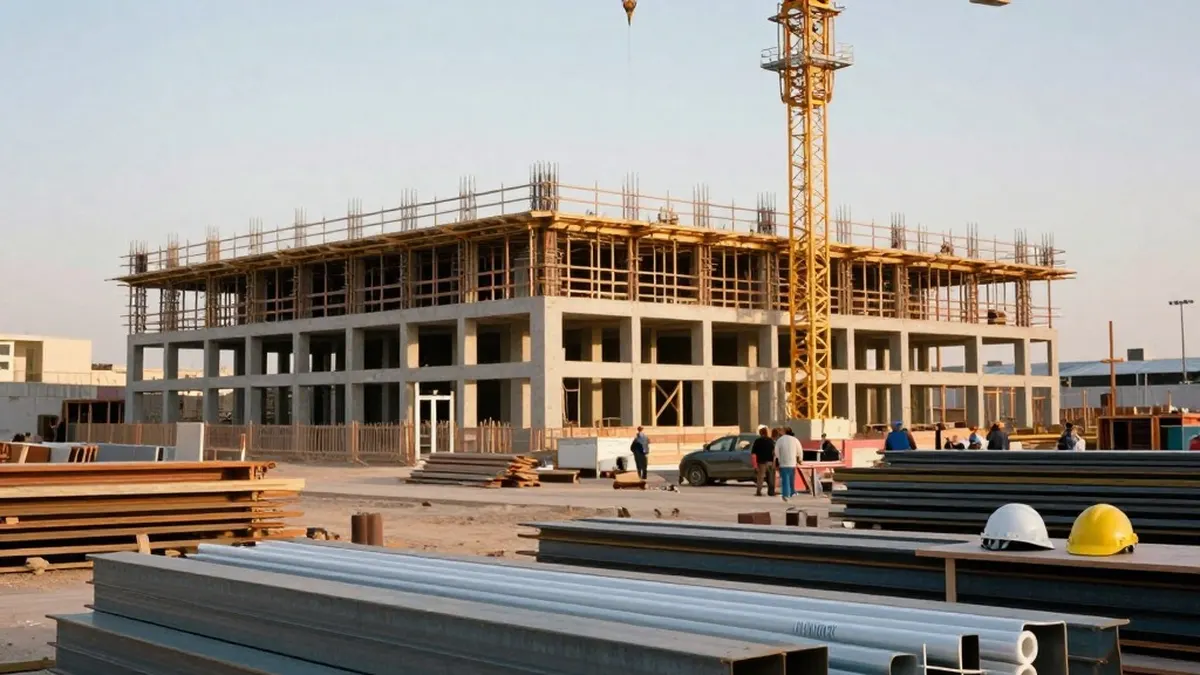
Builders are facing a 14% jump in construction costs this year, but a new industry forecast suggests the sharpest increases will fade beginning in 2023.
CBRE's Construction Cost Index found that prices paid for goods and services on new nonresidential projects climbed 42% between March 2020 and March 2022. That figure leaves out labor, which has also grown more expensive. Since the pandemic began, the cost of several steel products, plastic piping and lumber has more than doubled.
Looking further ahead, CBRE expects annual cost growth in 2023 and 2024 to return to the historical range of 2% to 4%. The report states: "Overall cost inflation for materials is expected to begin cooling by the end of 2022 and largely return to typical levels by mid-2023. However, given the large number of construction inputs–many of which are often subject to geopolitical risks such as tariffs and sanctions–costs for some materials may remain volatile."
According to the report, supply-chain disruptions should start to ease, although continuing global labor shortages are likely to constrain production and logistics.
CBRE pointed to a combination of factors behind the current uncertainty and rising prices across the industry: surging demand for construction, inflation, pandemic-related restrictions, supply chain problems, labor shortages and the war in Ukraine.
Labor is a particular concern. The industry has a smaller talent pool following the Great Recession, and its workforce is aging, with one in five workers now older than 55. It also competes for workers with other sectors, such as logistics. CBRE expects shortages to last in the near term, adding to wage pressure. Because construction wage growth trailed the national average during the pandemic, labor cost escalation is likely to be higher in 2022.
Contractors may be able to pass higher input costs on to clients as demand for new projects rises, the report says. How far that goes will depend on how many builders postpone or cancel projects over worries about input prices, rising interest rates and economic uncertainty.
CBRE expects demand to stay strong in the near term despite those headwinds. While it says the possibility of an economic downturn should be taken seriously, it argues that significant pent-up demand for new construction, including a nationwide housing shortage, along with government infrastructure projects should largely sustain activity. As contractor backlogs grow, margins should increase, which would push total construction costs higher.
Source: KJZZ